
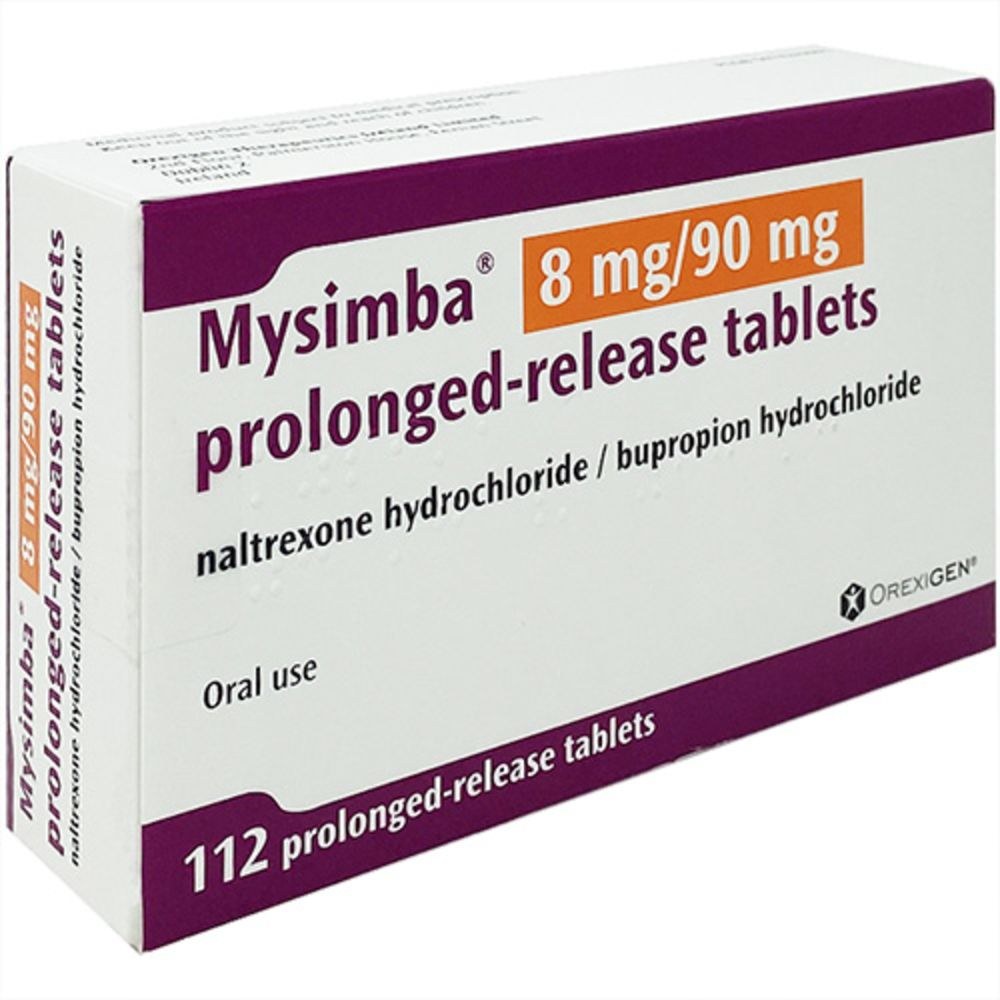
Mysimba is a weight management medication that works by messing with the body’s hormonal signaling to dial down hunger and control appetite. It goes after the biological triggers that decide how much you feel the urge to eat throughout the day.
The way we talk about obesity treatments has changed lately. People aren’t just blaming a lack of willpower anymore. There’s a growing realization that biological drives often win out over mental toughness.
Metabolic health is complicated. It’s a constant, messy dialogue between your gut, your brain, and your hormones. When that communication breaks down, the body sends signals that are nearly impossible to ignore. Pharmaceutical options try to step in and reset that baseline.
To understand how these drugs work, you have to look past just “losing weight.” It’s really about neurochemistry. The body is a chemical machine, and sometimes that machine needs a bit of recalibration to work the way it’s supposed to.
A lot of people get stuck in a loop of dieting and then overeating. They try to eat less, but their hunger hormones just scream louder. It’s a physiological tug-of-war that’s exhausting, a battle fought in the kitchen, at the grocery store, and inside your own head.
The Biological Interface of Hunger Control
Most modern weight loss meds work by mimicking or stimulating natural digestive processes. The idea is to trick the brain into thinking you’ve already had enough energy. This happens by targeting specific receptors in the brain that manage satiety. Once those receptors are activated, that “I’m full” feeling is much stronger and lasts longer.
If you strip away the clinical jargon, the mechanism is pretty straightforward. Your body produces hormones like GLP-1 while you eat, which tell your brain to stop. Some medications mimic this exact hormone. They help smooth out the spikes and dips in blood sugar that usually cause those sudden, intense cravings for sugar or carbs.
When those appetite signals stay consistent, you stop obsessing over food. That’s a huge shift. It’s not just about eating less; it’s about not thinking about your next meal while you’re still eating your current one. That mental clarity is often what makes the difference in long-term success.
Using a tool like this isn’t a shortcut to a healthy life. It’s a way to lower the “noise” so a healthy lifestyle is actually easier to maintain. It’s more of a stabilizer than a magic pill. It provides a steady hand in a process that’s usually full of extreme ups and downs.
Fullness becomes a physical reality instead of just a suggestion in your mind. This helps bridge the gap between knowing you should stop eating and actually having the capacity to do it. It addresses the biological reality of the gut-brain axis.
People often wonder about the logistics of getting these treatments. Navigating the options and finding legitimate medical support can be a headache. If you are looking for ways to buy Mysimba online, you need to be careful about where you’re getting it and the medical guidance that comes with it.
Navigating the Physiological Shift
Starting a medication like Mysimba is about more than just taking a pill. Your body needs time to adjust to these new signals. Essentially, your digestive system is learning a new language. This can cause some temporary discomfort while your gut adapts to the change in hormones.
What people typically experience during this adjustment includes:
- Less spontaneous snacking between meals.
- Feeling satisfied with much less food than before.
- Changes in how fast food moves through your system or your regularity.
- Fewer intense cravings, especially for high-calorie junk.
Your relationship with food changes fundamentally. You might find that a meal you used to love now feels heavy or overwhelming. That isn’t necessarily bad, but it is a big departure from your old normal. It’s important to pay attention to these new signals. (It can be a bit jarring to realize you’re full after only a few bites of something you usually finish in minutes.)
Weight loss isn’t a straight line. You’ll have weeks where the scale drops fast and weeks where it doesn’t move at all. That’s normal. The medication suppresses appetite; it isn’t a direct fat-burner. The weight loss is just a side effect of eating fewer calories because you’re less hungry.
Some users say the “food noise” just disappears. That’s the constant, intrusive thought about snacks or the next meal. When that noise stops, your relationship with eating changes. It becomes a choice instead of a compulsion. That shift is often more important than the number on the scale.
You also have to think about long-term metabolic health. A medication can help you hit a target weight, but you probably want to stay there. That means the habits you build while on the medication have to be sustainable. The drug gives you a window of opportunity to build those habits without the constant interference of intense hunger.
Comparative Approaches to Weight Management
There are a few ways to manage weight, and they all affect your body differently. Strict caloric restriction often leads to “starvation mode,” where your body slows down its energy use to survive. This makes long-term weight loss incredibly hard.
Some people try to exercise their way out of it. While movement is important, you can’t really out-train a diet driven by high hunger hormones. Then there’s the pharmacological approach, which aims to fix the hormonal drivers directly rather than just focusing on calories or activity.
Here is how the different strategies compare:
| Strategy | Primary Mechanism | Main Challenge |
| Caloric Restriction | Manual deficit | Increased hunger and fatigue |
| High Activity | Increased expenditure | Difficulty sustaining high intensity |
| Medication | Hormonal regulation | Requires medical supervision |
Medication isn’t a silver bullet. It’s one tool in a kit. Combining it with a nutrient-dense diet and regular movement is usually the most effective way to see lasting results. The medication handles the hunger, the diet handles the nutrition, and the activity handles the metabolic rate and muscle.
The goal is a sustainable ecosystem. If you only focus on one thing, the others usually fail. If you only focus on the medication, the hunger might come back with a vengeance once you stop. The best results happen when the medication helps facilitate a permanent change in how you live and eat.
The Nuances of Long-Term Success
Once you get past the initial weight loss, you’ll likely hit a plateau. This is a natural physiological response as your body reaches a new equilibrium. It doesn’t mean the medication stopped working; it just means your body has adjusted to its new weight. Dealing with this requires patience and maybe a small tweak in your strategy.
Maintaining weight loss is about “managing” rather than “losing.” Once you hit your goal, the focus shifts to metabolic flexibility, the body’s ability to switch efficiently between using carbs and fats for fuel. At this stage, a structured approach to nutrition matters more than just cutting calories.
You shouldn’t do this without medical oversight. A doctor can monitor how you’re responding and make sure you aren’t developing nutritional deficiencies. Because your appetite is suppressed, there is a real risk of not eating enough of the right things. You have to be intentional about getting enough protein, vitamins, and minerals.
The psychological side is just as important as the physical. The mental habits you build while using the medication are what actually carry you through the years. If you use it as a way to avoid learning how to eat well, you’ll likely struggle once the medication is gone. It’s a bridge, not the destination.
Deciding to use something like Mysimba is personal. You have to weigh the biological benefits against the need for lifestyle changes. It’s about taking control of the biological drivers that have made weight management a struggle in the past. Done right, it’s a way to reclaim agency over your body and your relationship with food.
Questions people ask
What is Mysimba weight loss medication?
Mysimba is a prescription weight loss medication containing the active ingredient Setmelanotide, used to treat obesity related to specific genetic conditions.
How does Mysimba work for weight loss?
It works by targeting specific receptors in the brain to help regulate appetite and energy balance in patients with certain genetic disorders.
What are the common side effects of Mysimba?
Common side effects may include nausea, vomiting, abdominal pain, and changes in appetite.
Who is a candidate for Mysimba treatment?
It is specifically indicated for adults with obesity or overweight caused by POMC or MC4R deficiency who have not achieved weight loss through diet and lifestyle.
Is Mysimba covered by insurance?
Coverage varies significantly depending on your provider and whether the diagnosis meets specific clinical criteria for the medication.