
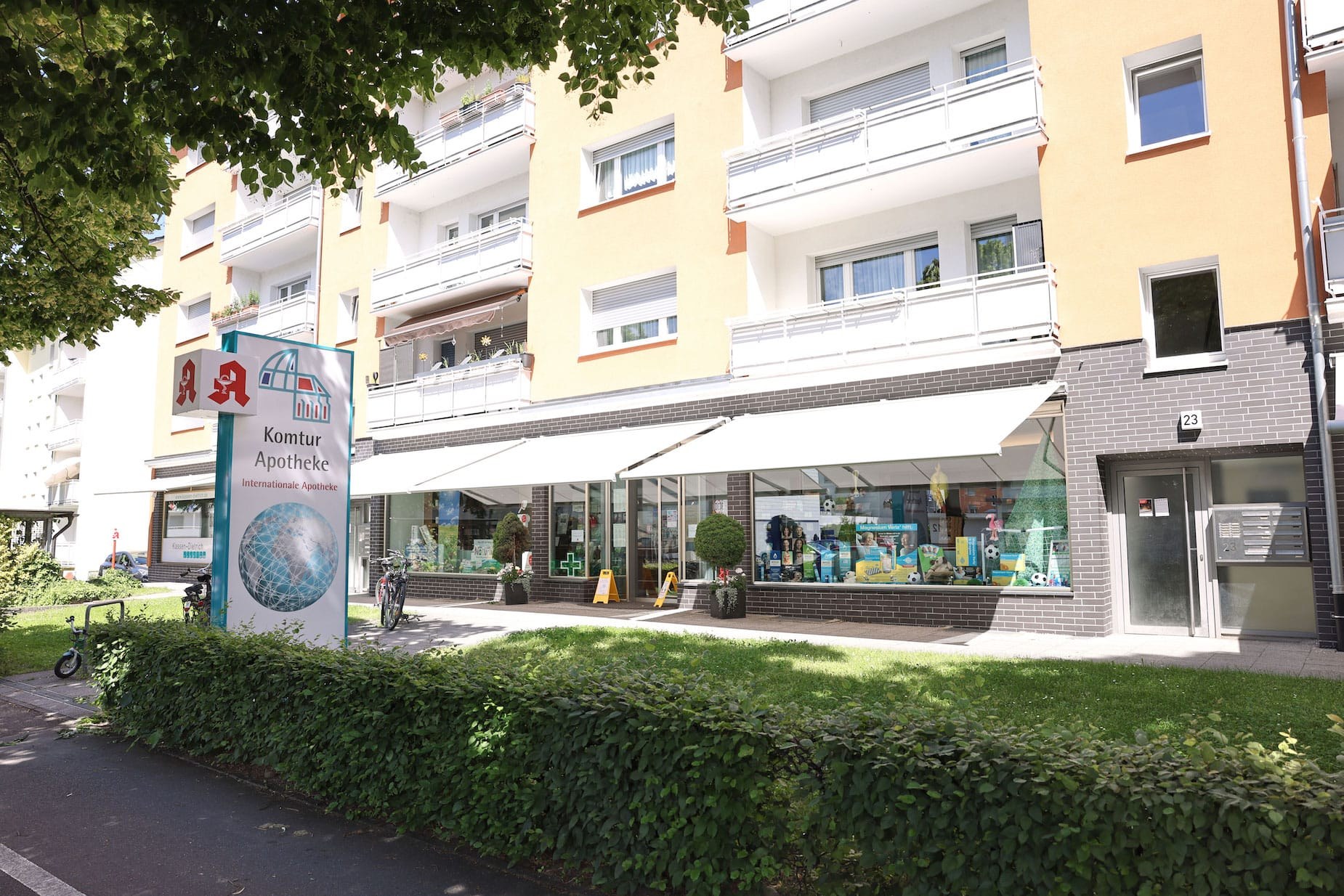
It’s 10:30 PM on a Tuesday. You’re standing in a dark kitchen in a small apartment near the Bertoldsbrunnen, holding a kid who has suddenly come down with a fever. You realize you’re out of that specific pediatric syrup you used last week, and the local supermarket shelves are empty. Suddenly, a 24-hour pharmacy doesn’t seem like a luxury, it’s a necessity.
Freiburg is a city built for walking and cycling. Most things you need are just a short stroll away, but medicine doesn’t always stick to a predictable schedule. You can’t just wander into any shop and grab what you need; there are specific rules here. Knowing how to find help after dark or when your regular pharmacist has gone home is a practical skill for anyone living here.
People often struggle with the bureaucracy of prescriptions versus over-the-counter needs. It’s easy to get tripped up by the different types of pharmacies and how they handle urgent orders. You should know the difference between a standard pharmacy and a Notdienst (emergency service) before you find yourself stuck in a crisis.
Finding the Right Help at Any Hour
Standard pharmacy hours in Freiburg usually follow the typical business day, often closing by 6:00 PM or 7:00 PM. If you’re a student or you work late, these hours are a real inconvenience. That’s where the emergency rotation system comes in. Every night, a specific subset of pharmacies takes turns staying open late to serve the public.
To find out which pharmacy is on duty, just look at the notices posted on the doors of any closed pharmacy. There’s usually a small sign or a list of names. Digital tools are helpful, but a physical sign on a shop door is often the most reliable way to find the nearest open location when you’re in a pinch. These emergency pharmacies are often located near major transit hubs or central squares.
Don’t assume every open pharmacy is a massive, well-stocked warehouse, though. Some are small, specialized boutiques, while others are large, generalist locations. If you have a complex prescription or need specific advice on how to administer a new medication, you might prefer a more established https://apothekeanderdiakonie.de/ or a similar large-scale service that has more staff available to consult with.
Is it worth walking across the city for a specific brand, or should you just take what is available? Often, pharmacists can offer a generic alternative that works exactly the same way. They’re trained to suggest these swaps, which can save you time and a bit of money, even if the price difference is usually minimal.
When you visit an emergency pharmacy, expect to pay a small surcharge. This is standard for covering the extra labor costs of keeping the doors open at night or on Sundays. It’s a small price to pay when you’re in a rush, but you should be aware of it before you get to the counter.
Managing Your Prescriptions and Insurance
The way you interact with a pharmacy depends heavily on your insurance. In Germany, the distinction between a “private” prescription and a “statutory” (Krankenkasse) prescription is massive. A statutory prescription is a colorful slip of paper or a digital code that tells the pharmacist the insurance covers most of the cost. A private prescription is different; you’ll usually have to pay the full amount upfront.
For international students or expats, this distinction can be confusing. You might have a prescription from a doctor that you expect to be covered, only to find out the pharmacy is asking for the full Euro amount. Always check with your doctor first to ensure the prescription is valid for your specific insurance provider. It prevents a lot of awkwardness at the service desk.
I recommend keeping a folder for your physical prescriptions, even as things move toward digital systems. Technology fails, and sometimes a digital transmission from a doctor’s office doesn’t sync correctly with the pharmacy’s software. Having the paper backup in your hand makes the process much smoother and avoids long waits while they “fix the system.”
It’s also helpful to know which pharmacies are efficient with certain tasks. Some pharmacies specialize in high-end skincare or specialized medical supplies like braces or compression stockings. If you need something beyond a simple pill, call ahead to see if they have it in stock.
The following table outlines the basic differences you’ll encounter at the counter:
| Prescription Type | Payment Method | Typical Process |
| Statutory (Public) | Co-pay only | Show card, get medication, pay small fee |
| Private (Private Insurance) | Full amount | Pay full price, submit receipt to insurer later |
| Self-Pay (OTC) | Full amount | Pay at counter, no insurance involvement |
Navigating the Pharmacy Visit Step-by-Step
If you’re new to the system, the process might feel a bit clinical or rushed. Most pharmacists in Freiburg are highly professional, but they’re also busy. To get exactly what you need without unnecessary stress, follow this sequence when you walk through the door:
- Prepare your insurance card or your physical prescription before you reach the counter.
- State clearly whether you want a specific brand or if a generic version is fine.
- Ask the pharmacist to explain the dosage instructions, especially if it’s a new medication.
- Check the expiration date on the box or bottle before you leave.
- Ask if there are any side effects or interactions with other medications you already take.
- Confirm the price, especially if you’re paying out-of-pocket for something non-prescription.
- Verify the storage requirements, like whether the medicine needs to stay in the refrigerator.
And don’t be afraid to ask questions. Many people feel like they’re bothering the staff by asking for clarification on how to use an inhaler or apply a specific cream. Pharmacists are there for this reason; they’re the final safety check in the healthcare chain.
If you’re picking up a prescription that was sent electronically, you don’t actually need the paper slip, but you must have your insurance card (Gesundheitskarte). The pharmacist scans the card, which unlocks your digital prescription in their system. It’s much faster than the old way of carrying folded papers in your wallet.
Dealing with Stock Issues and Specialized Orders
You will eventually run into a situation where a pharmacy says they don’t have what you need. This isn’t uncommon for certain specialized antibiotics or niche dermatological creams. Don’t let it frustrate you; it’s usually just a logistical issue. Most pharmacies can order a missing item for you.
If you need something immediately, ask if another pharmacy nearby has it in stock. They can sometimes call each other to check inventory. If it’s something that can wait a few hours or until tomorrow, they’ll order it and you can just go back to pick it up. It’s a very reliable system once you understand how it works.
Sometimes, you might be looking for something that isn’t a medicine at all, like a specific bandage or a certain brand of vitamins. While pharmacies have a wide range of health products, they aren’t supermarkets. If you’re looking for lifestyle items or basic toiletries, you’ll likely find them cheaper at a drug store (Drogerie) instead of a pharmacy (Apotheke).
The difference between an Apotheke and a Drogerie is a frequent point of confusion:
- Apotheke: Sells prescription drugs, specialized medical equipment, and high-end health products. Staff are trained pharmacists.
- Drogerie: Sells cosmetics, supplements, basic toiletries, and household items. They don’t sell prescription medication.
If you walk into an Apotheke looking for cheap shampoo, you’ll find it, but you’ll pay more than you would at a Drogerie. Conversely, if you walk into a Drogerie looking for prescription antibiotics, they can’t help you. Knowing which door to walk through saves a lot of wasted time when you’re feeling unwell.
Always ask about the “Apotheken-Umlage.” This is a pricing regulation that affects how some products are priced, but for the average person, it just means that some items have a fixed price set by law. If a non-prescription item seems unusually expensive, it might be due to these regulations, but it’s always worth a quick question to be sure.
The pharmacy system in Freiburg is efficient, provided you know the rules of the game.
Quick answers
Where can I find a pharmacy in Freiburg?
Pharmacies are located throughout Freiburg's city center and major districts, with many near the main train station (Hauptbahnhof).
Are pharmacies in Freiburg open on Sundays?
While most pharmacies are closed on Sundays, a rotating emergency service (Notdienst) is always available to provide care.
Can I get a prescription filled at a Freiburg pharmacy?
Yes, pharmacies in Freiburg accept both German electronic prescriptions and many international prescriptions depending on the specific medication.
Do pharmacies in Freiburg offer English-speaking services?
Many pharmacies in Freiburg's central areas have staff members who speak English to assist international residents and tourists.
How can I find an emergency pharmacy in Freiburg after hours?
You can find the nearest open emergency pharmacy by checking the notice posted on the door of any closed pharmacy or by using the local pharmacy association website.