
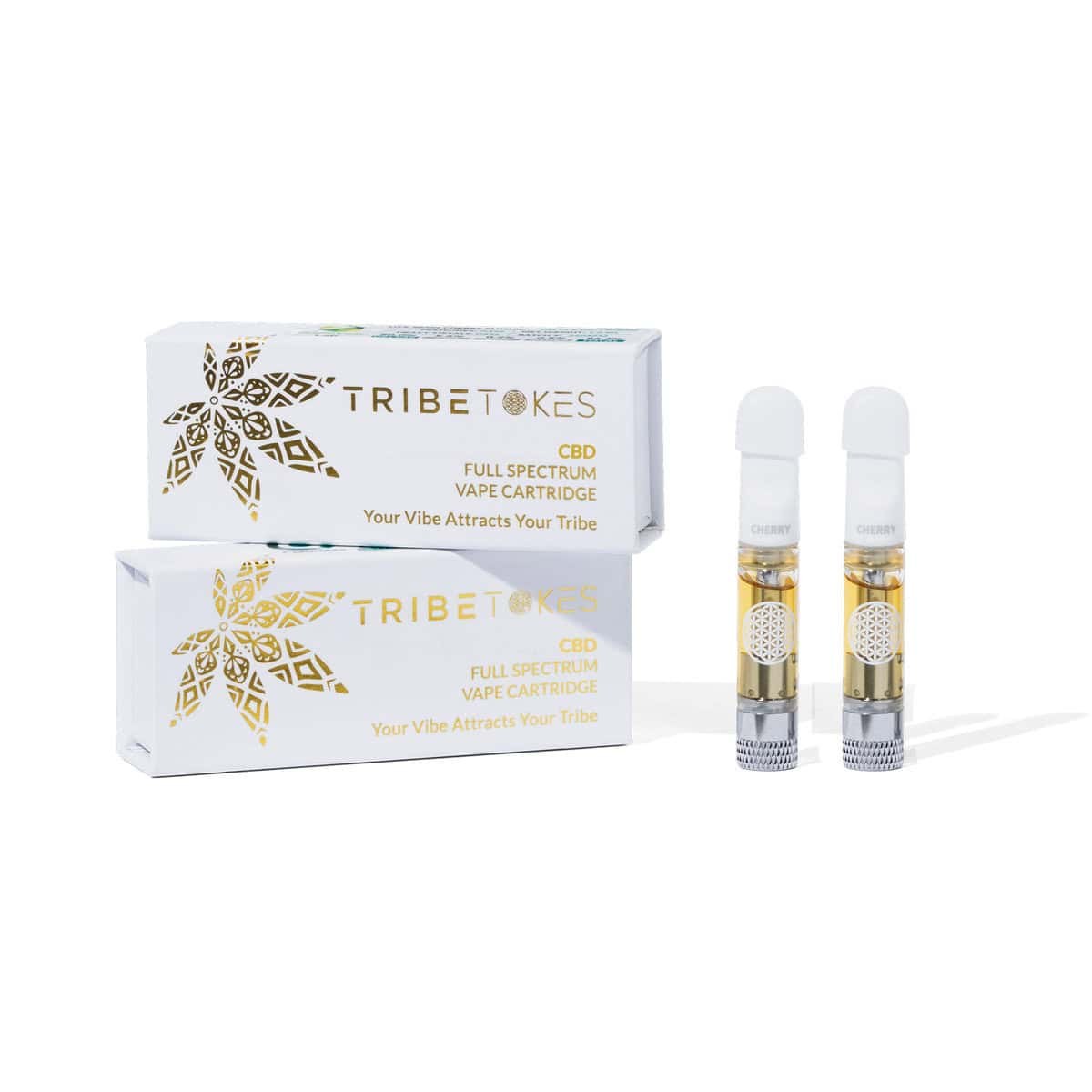
Most people think they can just grab any colorful cartridge off a shelf and expect a life-changing experience, but the truth is that a standard CBD vape cartridge typically costs between $20 and $60, with the majority of decent options sitting right in that $30 to $40 sweet spot. If you are looking for something that actually delivers, you need to understand that price is often a direct reflection of what is inside that glass tank.
You might be wondering why anyone bothers with vaping when you can just swallow an oil tincture or a gummy. The answer is speed. Vaping is widely considered the fastest method of consumption because the cannabinoids enter your system through the lungs and hit your bloodstream almost instantly. It is efficient. It is direct. It is a far cry from waiting two hours for a gummy to kick in while you’re trying to manage a headache or a spike in stress.
If you’re just starting out, you’ll quickly realize that not all hardware is created equal. You have to match your oil to your battery, which usually means looking for 510-thread compatibility. It’s a technicality that trips up a lot of newcomers, but once you get it, it’s easy. You just twist the tank onto the battery and you’re good to go.
The experience is different for everyone. Some people want to feel a sense of calm that settles deep in their chest, while others just want to take the edge off a hectic workday without feeling like they’re floating through a cloud. It’s about finding that specific ratio or terpene profile that matches your internal state. It’s a personal journey, really.
Decoding the Spectrum: Full, Broad, and Isolate
When you start browsing, you are going to see terms like “Full-Spectrum,” “Broad-Spectrum,” and “Isolate” thrown around constantly. These aren’t just marketing buzzwords; they actually change how the product makes you feel. If you want the “entourage effect”—that idea that all the cannabinoids in the plant work better together, you want full-spectrum. This means the cartridge contains a little bit of THC along with the CBD.
Broad-spectrum is the middle ground for people who want the benefits of the plant but want to avoid any trace of THC. It’s a great choice if you have a job that requires regular drug testing or if you’re just sensitive to THC. Then you have isolates, which is essentially just pure CBD with everything else stripped away. It’s clean, it’s precise, but it lacks that complex “depth” that some users crave.
You can even find products tailored to specific moods. For example, Sky Wellness offers cartridges in three specific formulas: Focus, Relax, and Relief. This is a perfect example of how the industry is moving away from “one size fits all” toward specialized wellness tools. If you need to get through a spreadsheet, you want the Focus option; if you’re trying to decompress before bed, you want Relax.
It’s a bit like buying coffee. You don’t just buy “coffee”; you buy a light roast for the morning or a dark, heavy roast for the afternoon. You wouldn’t use a delicate espresso bean to make a massive pot of drip coffee, and you shouldn’t use a heavy, sedative-leaning distillate to try and get through a morning meeting. You have to match the tool to the task at hand.
I remember a friend of mine, Sarah, who used to try every CBD gummy on the market because she thought they were the only way to get relief. She spent a fortune on various brands, but she was always frustrated because the effects were so inconsistent and took forever to arrive. Once she switched to a high-quality, 510-thread compatible cartridge with specific terpenes, she finally found that immediate, targeted relief she was looking for without the digestive lag.
The Science of Terpenes and Flavor Profiles
People often think terpenes are just about making the vape taste like blueberries or citrus, but they actually dictate the therapeutic direction of the experience. Terpenes are the aromatic compounds found in hemp that influence how the CBD interacts with your endocannabinoid system. If a cartridge tastes like pine, it’s likely working on different pathways than one that tastes like lavender or lemon.
This is where the real quality shows. Cheap cartridges often use artificial flavorings to mask the “grassy” taste of low-quality hemp, which is a massive red flag. You want something that uses strain-specific terpenes. This means the flavor is a natural byproduct of the plant’s chemistry, not a chemical additive from a lab. It’s a subtle but massive difference in how your throat and lungs feel after a hit.
If you are looking for guidance on which brands are actually worth your money, vaposearch.com can be a useful resource for comparing different options. You want to look for products that are lab tested to ensure there are no heavy metals or pesticides hiding in that oil. It’s not just about the flavor; it’s about the safety of what you are inhaling directly into your lungs.
When you look at the different profiles, you’ll notice some patterns emerging in the market. I’ve put together a quick breakdown of what to look for based on your goals:
- Calming/Sleep: Look for high Myrcene content; often found in heavier, earthier profiles.
- Energy/Focus: Look for Limonene or Pinene; these usually have a bright, citrusy or pine-like scent.
- Anti-Inflammatory: Often associated with specific terpene blends that target physical discomfort.
Don’t get too caught up in the “flavor” aspect alone. A delicious vape that doesn’t actually do anything is just an expensive flavored air delivery system. You want that marriage of flavor and function. If it tastes great but the effects are non-existent, the terpene profile is likely too weak or the CBD concentration is too low.
Hardware, Batteries, and Avoiding the “Gunk” Factor
One of the most annoying things about vaping is when you realize your cartridge is half-full, but the oil won’t move. This is often caused by a bad battery or a poor-quality heating element. If you aren’t using a reliable 510-thread battery, you’re going to have a bad time. A consistent voltage is required to vaporize the oil properly without burning it.
When you burn the oil, it tastes terrible and can actually damage the cartridge. You’ll see a black, charred residue around the ceramic coil, and that’s a sign that you’re either pulling too hard or your battery is firing too hot. It’s a frustrating waste of money. You want a device that allows for adjustable voltage, letting you find that perfect temperature where the vapor is thick and smooth but doesn’t taste like a burnt campfire.
There is also a difference between disposables and cartridges. Disposables are incredibly convenient because you just use them until they’re empty and throw them away. However, cartridges offer more control and are generally more cost-effective in the long run because you can swap the tank onto your favorite battery. It’s a trade-off between convenience and long-term value.
| Feature | CBD Cartridges | Disposable Vapes |
|---|---|---|
| Cost Over Time | Lower (reusable battery) | Higher (replace whole unit) |
| Ease of Use | Medium (requires battery) | High (ready to go) |
| Customization | High (voltage control) | Low (fixed settings) |
| Sustainability | Better (less waste) | Worse (all-in-one waste) |
I’ve seen people spend $50 on a disposable that lasts three days, only to realize they could have bought a high-end cartridge and a battery for the same price that would have lasted them a month. If you plan on using CBD daily, the cartridge route is almost always the smarter financial move. Just make sure you’re buying from reputable sources that prioritize organic hemp oil.
Navigating the Legal and Safety Maze
You can’t talk about CBD without mentioning the regulatory side of things. Because the industry moves so fast, the quality can vary wildly from one shop to the next. This is why the “People also ask” sections on search engines are so filled with questions about whether CBD will make you “buzzed.” The short answer is no, provided the product is legal and within the THC limits set by federal law, but you have to be diligent.
Always check for a Certificate of Analysis, or COA. This is a document from a third-party lab that proves what the label says is actually inside the bottle. If a company won’t show you their lab results, walk away. It doesn’t matter how pretty their packaging is or how many followers they have on Instagram; if they won’t show the science, they aren’t selling a premium product.
Safety also means being aware of what you are actually inhaling. Avoid anything that contains PG/VG (Propylene Glycol/Vegetable Glycerin) if you can help it, as many purists prefer pure hemp distillate or oil. Some people find that the additives used in e-liquids can cause a throat irritation that has nothing to do with the CBD itself. You want the cleanest path from the plant to your lungs.
It’s a bit of a Wild West out there, but it’s becoming much more professional every day. You just have to do your homework and not take everything at face value. Stick to brands that are transparent about their sourcing and their extraction methods. Once you find a brand that works for you, you’ll probably stick with them for a long time. It’s about finding that reliable partner for your wellness routine.
Stick to the brands that actually show their lab work. There’s a useful breakdown over at vaposearch.com.